
Signs to look for
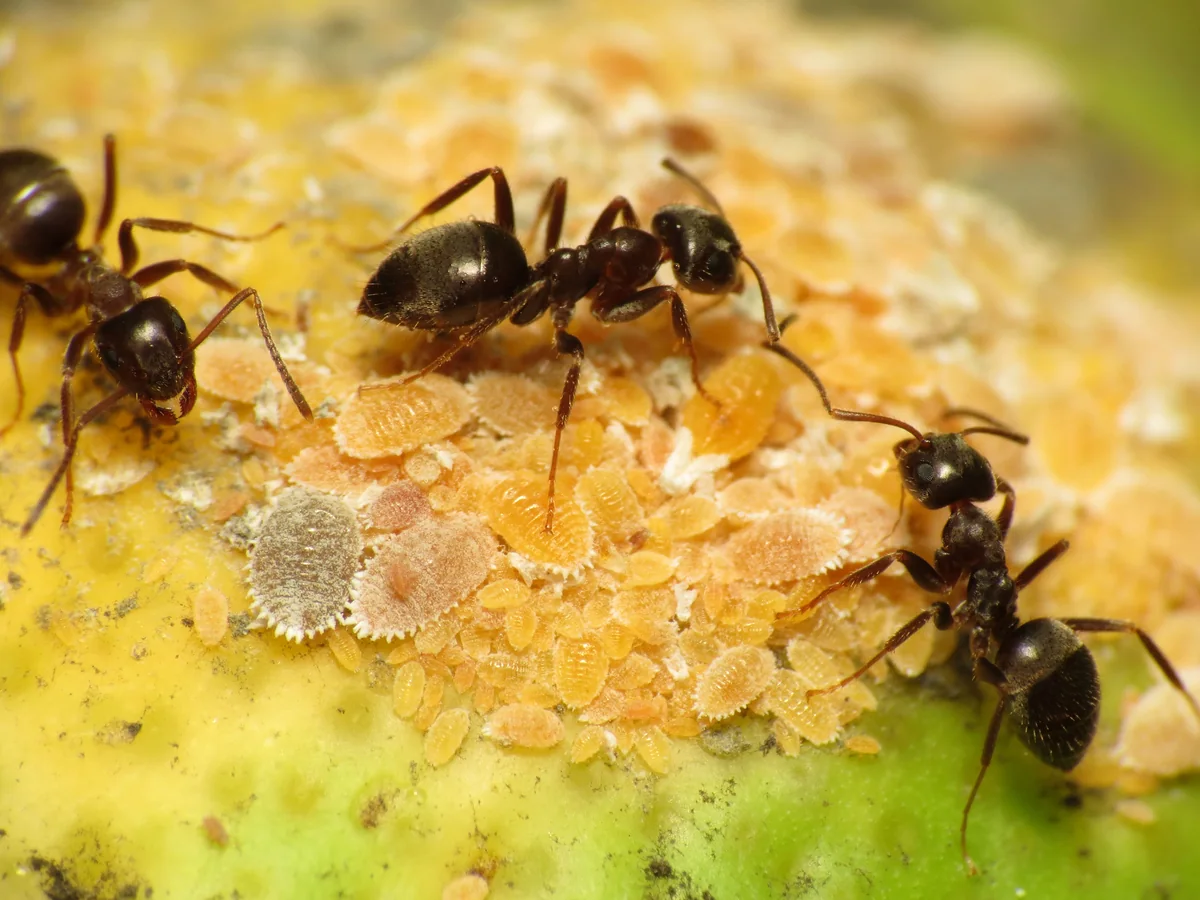
Repeated trails around counters, a window or damp wood can point to a route worth inspecting. Note where ants enter and what attracts them. Winged insects need identification because ants and termites require different responses.
How treatment starts
The inspection considers species, nesting sites, food and moisture. The appropriate plan might use targeted bait or another method suited to the colony. A trail seen indoors may begin outside or within a wall.
Timing and follow-up
Some treatments depend on ants carrying bait back to a colony. Ask when activity should change and whether trails should be left undisturbed during that period.
How to reduce repeat activity
Clean spills, close food containers and repair persistent moisture. After the source is assessed, address suitable gaps around doors, windows and exterior services.
What affects the price
Species, nest access and the number of active areas affect the work. A concealed nest may need a different scope from a single kitchen trail.
Planning ant control in an apartment
Share your floor, the rooms involved and whether activity has been reported in adjoining spaces. Ask the building manager about access to shared utility routes, storage and refuse areas. Preparation and follow-up should match the identified pest and the treatment proposed for your property.
Common questions
Will wiping away the trail fix it?
It removes visible ants temporarily but may leave the nest and entry route unchanged.
Does damaged wood mean termites?
Not necessarily. Identification is essential before choosing a wood-pest treatment.