
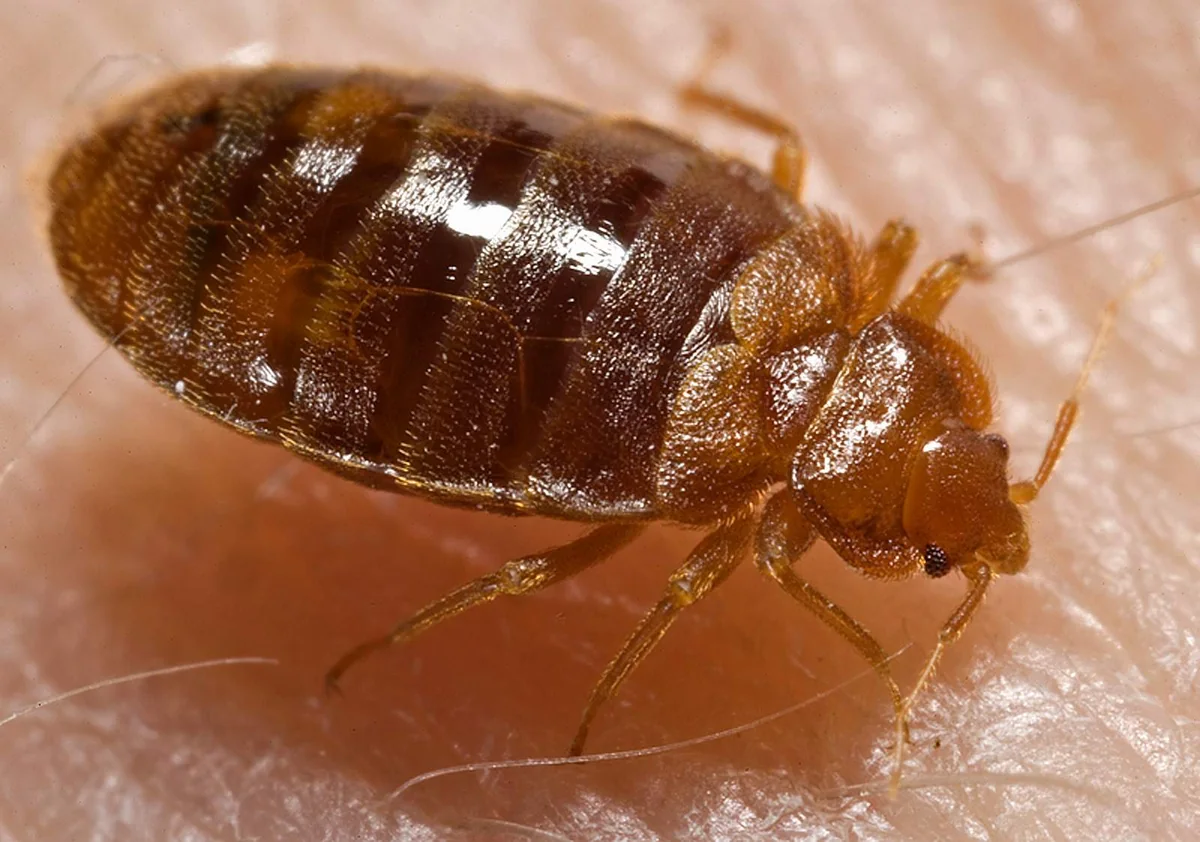
Signs to look for
Check mattress seams, bed-frame joints and nearby furniture for insects, shed skins or dark spotting. Skin marks alone do not identify bed bugs. A clear photograph or contained specimen can help a professional assess the evidence.
How treatment starts
The first task is confirming the insect and the affected sleeping or resting areas. Discuss the proposed methods, access, laundry handling and monitoring. In an apartment building, neighboring-unit inspection may need management coordination.
Timing and follow-up
Preparation and follow-up matter as much as the initial visit. Ask how progress will be assessed and what evidence would require another treatment. Do not assume one quiet week confirms elimination.
How to reduce repeat activity
Check secondhand furniture and luggage. Keep suspected items in place until you receive a containment plan. If laundry is advised, move it in closed bags and follow fabric-safe instructions.
What affects the price
The number of rooms, preparation support, treatment method and follow-up determine the proposal. Ask which furniture and adjoining areas are included.
Planning bed bug treatment in an apartment
Share your floor, the rooms involved and whether activity has been reported in adjoining spaces. Ask the building manager about access to shared utility routes, storage and refuse areas. Preparation and follow-up should match the identified pest and the treatment proposed for your property.
Common questions
Should I throw out the bed?
Ask before discarding anything. Furniture may be treatable, and carrying it through halls can spread insects.
Should the landlord be involved?
In a shared building, tell management promptly so inspections and access can be coordinated beyond your apartment when needed.