
Signs to look for
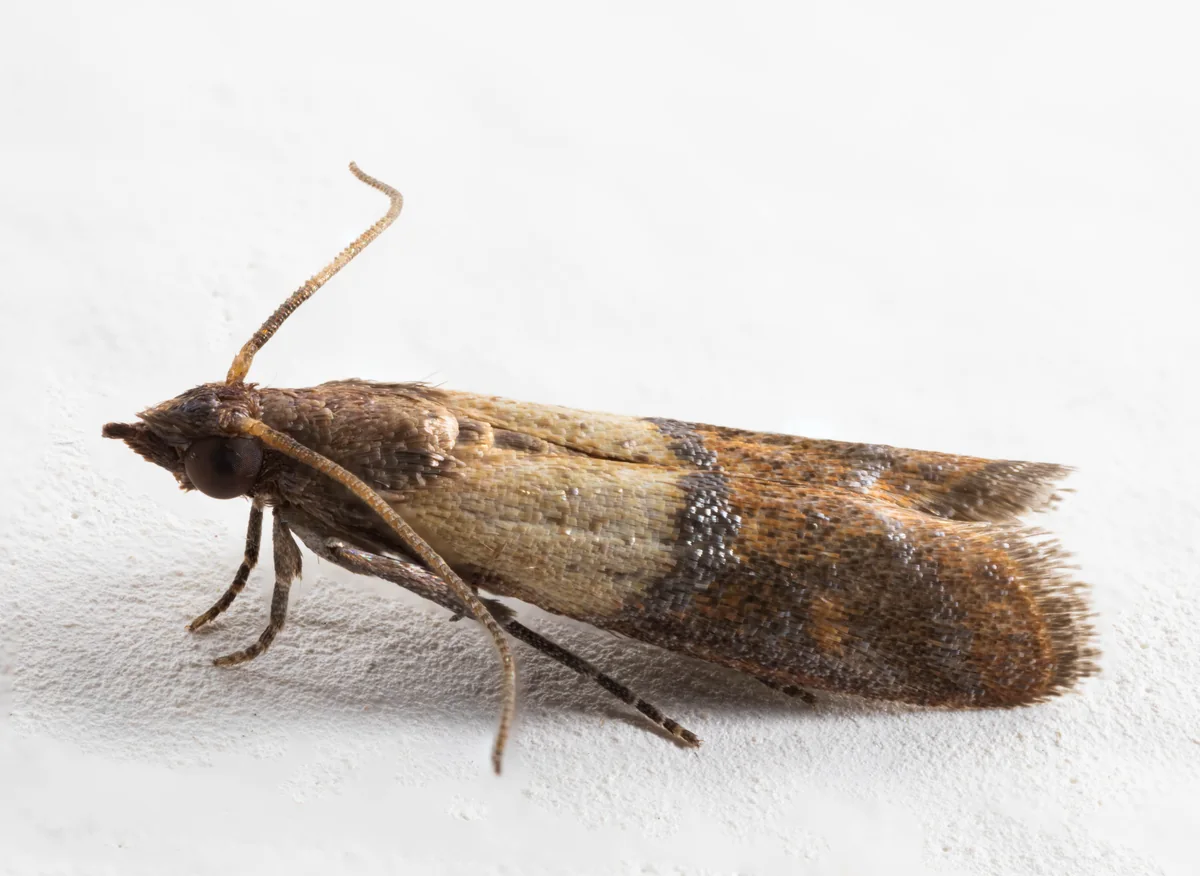
Small moths, beetles, webbing or larvae in dry foods can point to a stored-product pest. Check open and unopened packages, including pet food and seldom-used ingredients.
How treatment starts
Identification and a careful source search come first. Isolating affected products and cleaning storage seams can be central to the plan. In a business, record affected stock and delivery batches.
Timing and follow-up
New adults can appear if an overlooked package remains. Recheck adjacent shelves and ask when monitoring should be reviewed.
How to reduce repeat activity
Use sealed containers, rotate stock and inspect incoming goods. Avoid applying household sprays to food or food-contact surfaces.
What affects the price
The number of storage areas, stock volume, identification and repeat monitoring affect the scope.
Planning pantry pest control in an apartment
Share your floor, the rooms involved and whether activity has been reported in adjoining spaces. Ask the building manager about access to shared utility routes, storage and refuse areas. Preparation and follow-up should match the identified pest and the treatment proposed for your property.
Common questions
Does every food package need to go?
Inspect and isolate suspect products. Ask for guidance based on the identified pest and the evidence.
Can a restaurant request help?
Yes. Describe the stockroom, food storage and receiving areas so access and responsibilities can be discussed.