
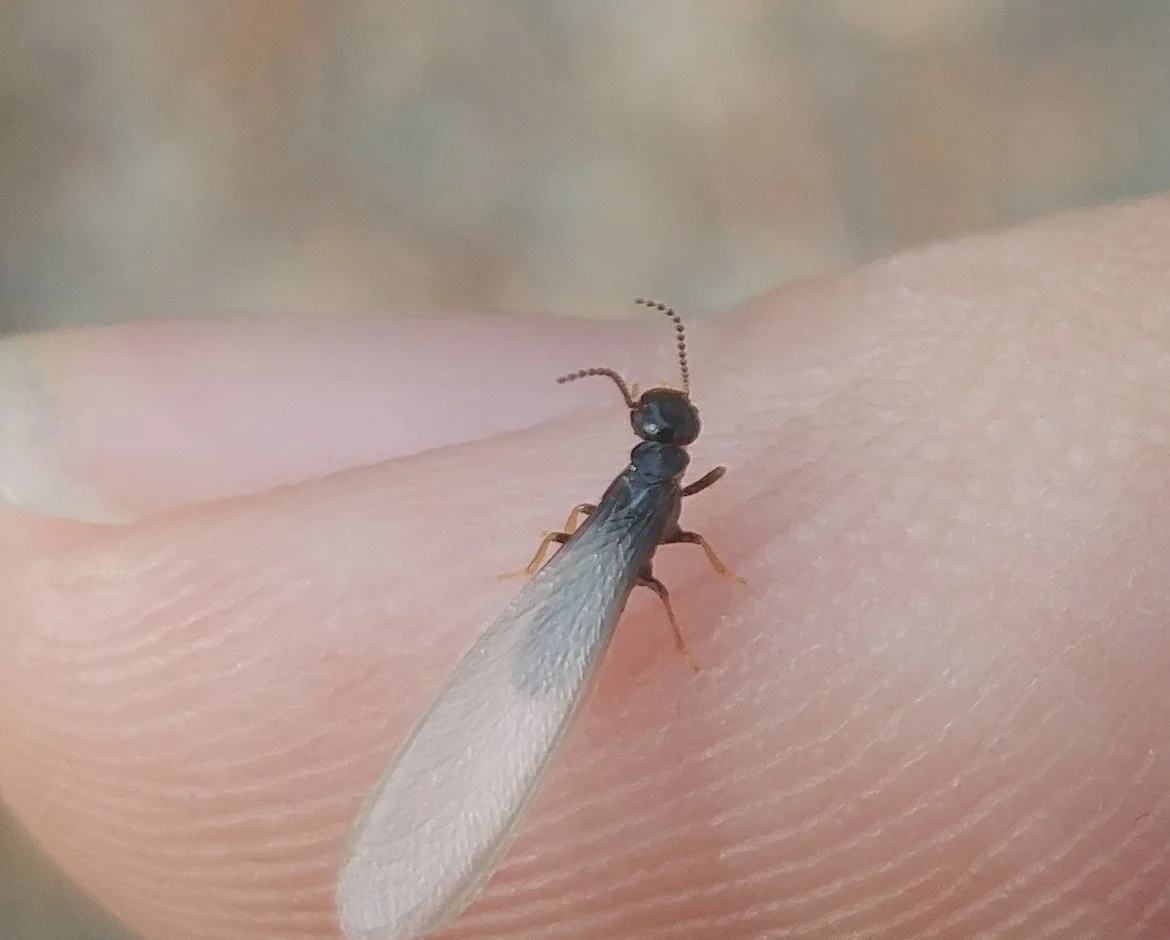
Signs to look for
Mud tubes, shed wings and damaged wood deserve assessment. Water damage can resemble insect damage, so describe both the signs and any leak history. Avoid disturbing evidence before identification.
How treatment starts
An inspection should confirm active evidence, accessible damage and conditions around the structure. Discuss which areas cannot be inspected and whether further access or a separate structural assessment is needed.
Timing and follow-up
Treatment and monitoring depend on construction and the confirmed insect. The proposal should identify the method, inspection intervals and how activity will be documented.
How to reduce repeat activity
Reduce moisture, keep stored timber away from soil contact and arrange repairs to leaks or drainage. Treatment does not restore damaged structural wood.
What affects the price
Access, building size, treatment method and monitoring shape cost. Ask about limitations where walls, foundations or neighboring structures block access.
Planning termite control in an apartment
Share your floor, the rooms involved and whether activity has been reported in adjoining spaces. Ask the building manager about access to shared utility routes, storage and refuse areas. Preparation and follow-up should match the identified pest and the treatment proposed for your property.
Common questions
Can treatment repair damaged beams?
No. Structural repairs require an appropriate separate assessment and repair scope.
Can an apartment have a termite issue?
Evidence may relate to the wider building. Management should coordinate access to affected structural and basement spaces.