
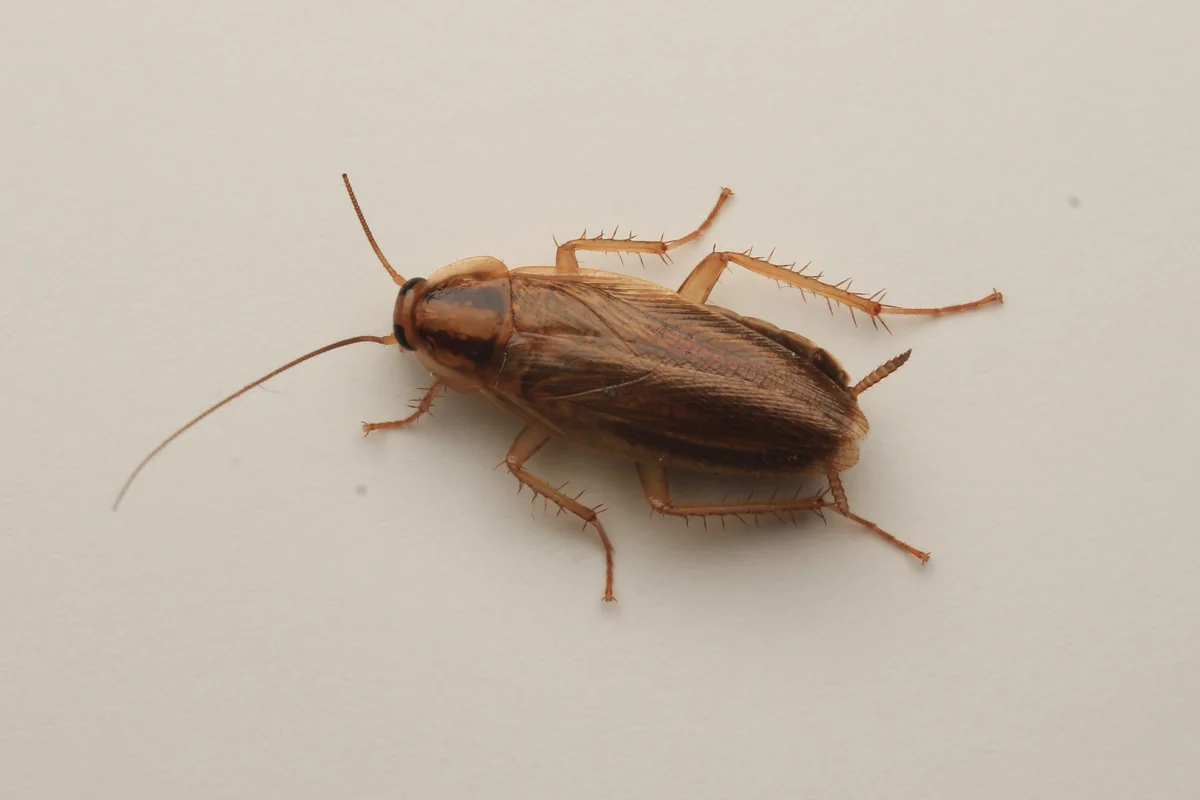
Signs to look for
Look for live roaches, egg cases or dark specks around cabinet joints, warm appliances and plumbing. Note whether insects are small and tan or large and dark; identification helps determine where to inspect.
How treatment starts
An inspection checks harborages, water sources and travel routes. Monitoring and targeted treatments can be paired with repairs and cleaning. Explain which products have already been used so the next plan accounts for them.
Timing and follow-up
Eggs and hidden activity can make repeat inspections necessary. Ask how monitors will be checked and what changes should prompt another call. Treatment of one unit may need coordination with adjoining spaces.
How to reduce repeat activity
Fix drips, remove grease from overlooked edges, keep food closed and reduce stored cardboard. Report gaps around shared plumbing. Do not apply extra sprays over treatment areas without asking the technician.
What affects the price
Species, level of activity, affected rooms and building access influence the quote. For a shop below apartments, clarify which premises are covered.
Planning cockroach control in an apartment
Share your floor, the rooms involved and whether activity has been reported in adjoining spaces. Ask the building manager about access to shared utility routes, storage and refuse areas. Preparation and follow-up should match the identified pest and the treatment proposed for your property.
Common questions
Why are roaches in a clean apartment?
Leaks, warm hiding spaces and routes from neighboring areas can sustain activity even when visible surfaces are clean.
Should every cabinet be emptied?
Wait for instructions specific to the treatment. Unnecessary preparation can create work without helping the inspection.