
Signs to look for
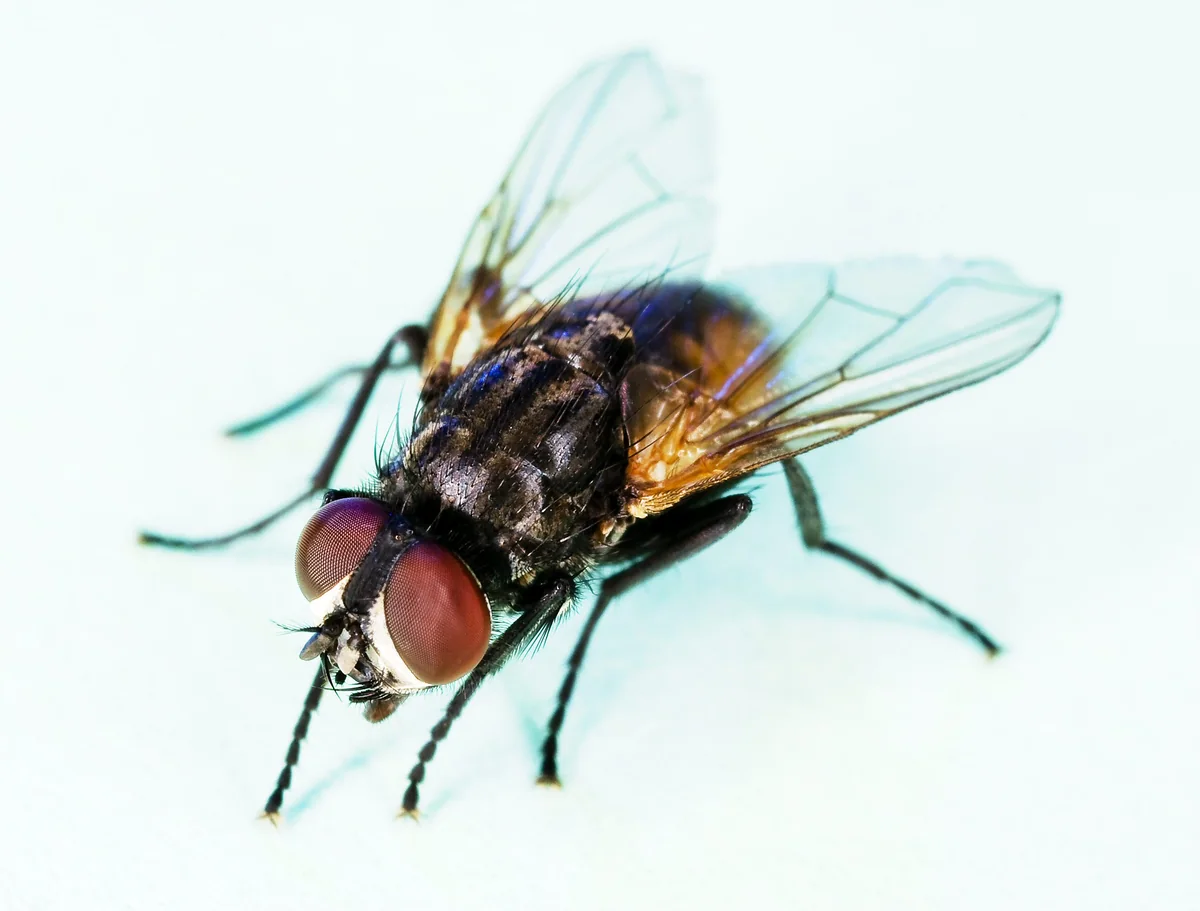
Note whether flies gather at drains, produce, bins or windows. Different flies use different breeding materials. A repeated cluster is more useful evidence than an isolated fly entering an open door.
How treatment starts
The inspection should identify the insect and locate the source. Drains, spilled food, waste storage and delivery areas may need attention. Discuss treatment together with the cleaning and repairs that prevent recurrence.
Timing and follow-up
Adults can remain while a breeding source is being addressed. Agree on a monitoring period and keep a record of where activity continues.
How to reduce repeat activity
Keep bins closed, clean organic buildup with appropriate methods and maintain screens. In commercial premises, coordinate cleaning responsibilities across staff and contractors.
What affects the price
Source access, drain work, business layout and monitoring affect the quote. Ask what sanitation work is included or left to the premises team.
Planning fly control in an apartment
Share your floor, the rooms involved and whether activity has been reported in adjoining spaces. Ask the building manager about access to shared utility routes, storage and refuse areas. Preparation and follow-up should match the identified pest and the treatment proposed for your property.
Common questions
Will a light trap solve the problem?
It may help monitor or capture some adult flies, but it does not replace finding the breeding source.
Should I pour pesticide into a drain?
Do not improvise a drain treatment. Ask for a method suitable for the identified pest and follow product directions.